 LCL
LCL
Less than Container Load
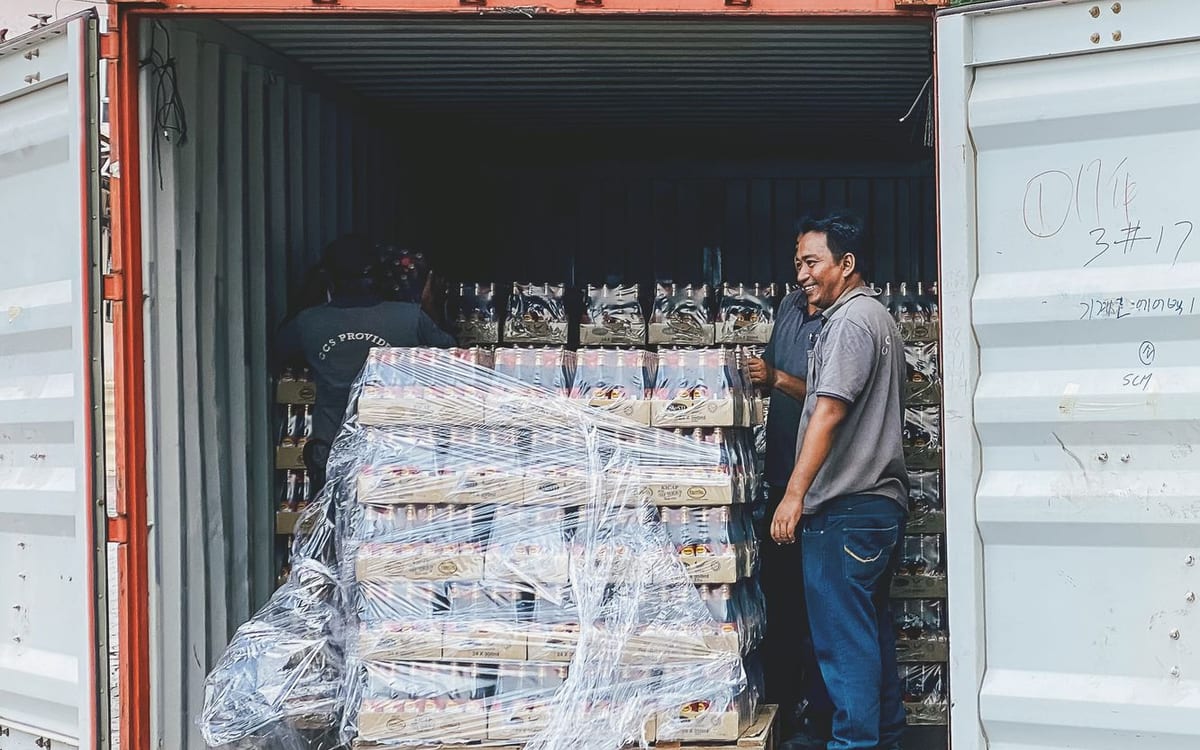
Ship from a single pallet. Your cargo is consolidated into a container alongside other consignments, so you only pay for the cubic metres you actually use.
Request a Quote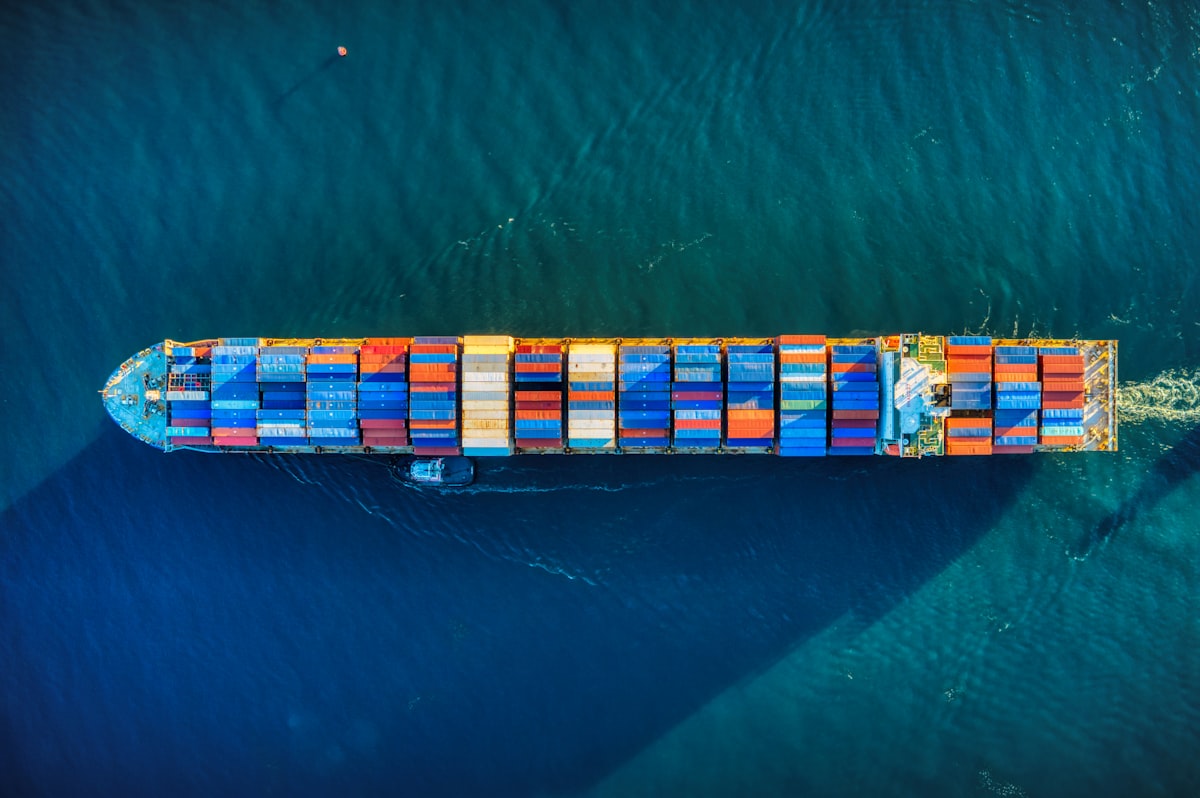
Move full-container (FCL) and consolidated (LCL) cargo across 150+ countries by sea. Reliable sailing schedules, competitive rates and a dedicated coordinator on every lane — with live visibility from port of origin to final destination.
We start by understanding your cargo, lanes and timelines, then map the most reliable, cost-effective route from origin port to final destination.
Bookings, documentation and container space are organised and tracked in one place, so your inventory stays visible and ready to sail.
Cargo is consolidated, secured and loaded to international standards, handled with care for safe, efficient movement at every port.
Your shipment sails on schedule with live visibility on every leg, and a dedicated coordinator on hand from departure to final delivery.
LCL
Ship from a single pallet. Your cargo is consolidated into a container alongside other consignments, so you only pay for the cubic metres you actually use.
Request a Quote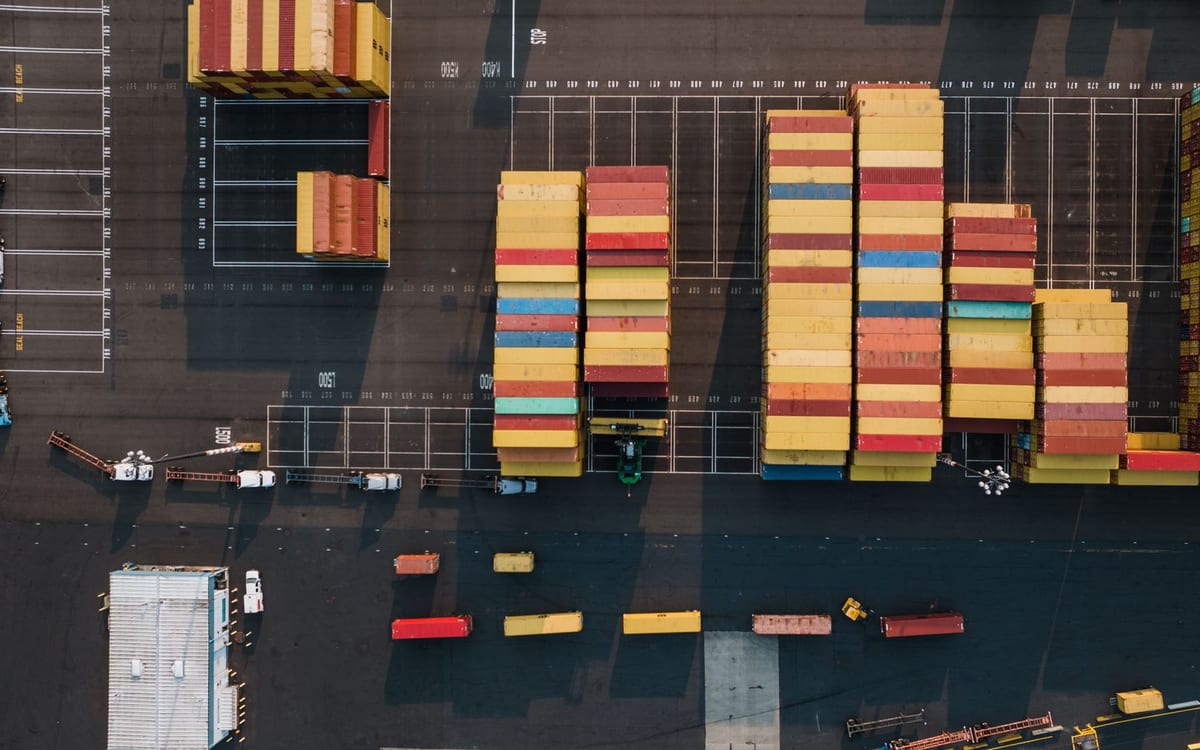 FCL
FCL
A sealed 20′ or 40′ container exclusively yours — fewer touchpoints, faster transit and the best rate per unit once your volume passes roughly 15 cbm.
Request a QuoteOur FAQs
FCL (Full Container Load) gives you an entire 20′ or 40′ container to yourself — faster, because your cargo skips the consolidation step. LCL (Less than Container Load) shares a container with other shippers, so you only pay for the cubic metres you actually use. As a rule of thumb, once you pass roughly 15 cbm, FCL usually works out cheaper per unit.
It depends on the lane. Asia to the US West Coast typically runs 18–25 days port to port, Asia to Europe 30–40 days, and regional lanes can be under a week. Add three to seven days on each end for pickup, customs clearance and final delivery. We confirm a sailing schedule with cut-off dates before every booking.
For most shipments: a commercial invoice, a packing list and a bill of lading. Depending on the commodity and destination you may also need a certificate of origin, an export licence, or dangerous-goods declarations for hazardous cargo. Your coordinator prepares and checks the full set before the cut-off, so paperwork never holds your container at the port.
Yes. Every booking comes with a container and B/L number you can follow from our tracking page, with milestone updates at gate-in, vessel departure, transhipment, arrival and customs release. You can also opt in to email alerts whenever the status changes or a schedule shifts.
Standard carrier liability is capped by international convention and rarely covers the full commercial value of your goods. We recommend all-risk marine cargo insurance, which we can arrange at the time of booking — usually a small percentage of invoice value, covering loss or damage from origin all the way to final destination.
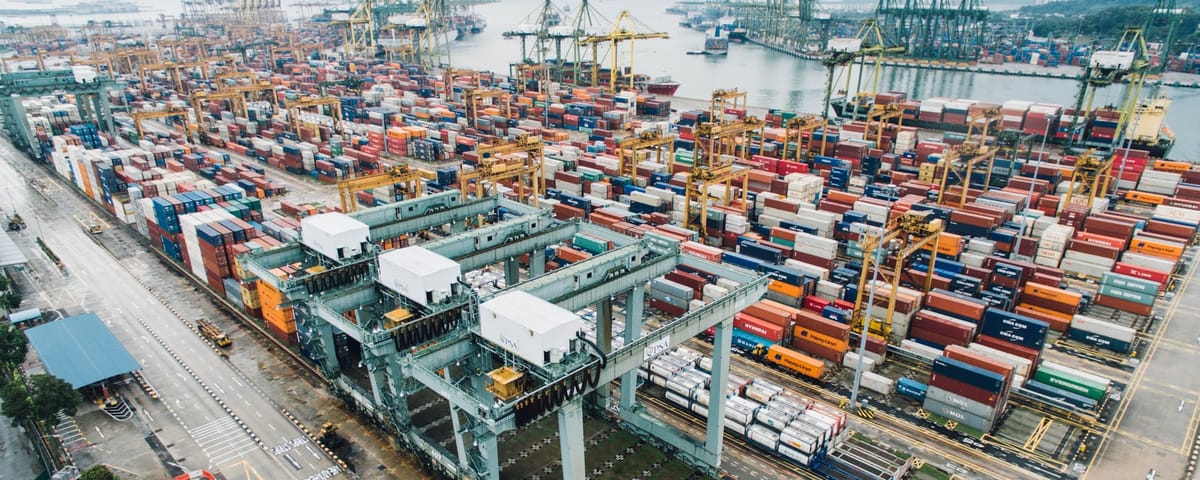
Tell us your lane, volume and timeline — whether it’s a single pallet (LCL) or a full container (FCL). We’ll come back within 24 hours with sailing options and an all-in rate from origin port to final destination.
Request a Quote